


Investments

Investments
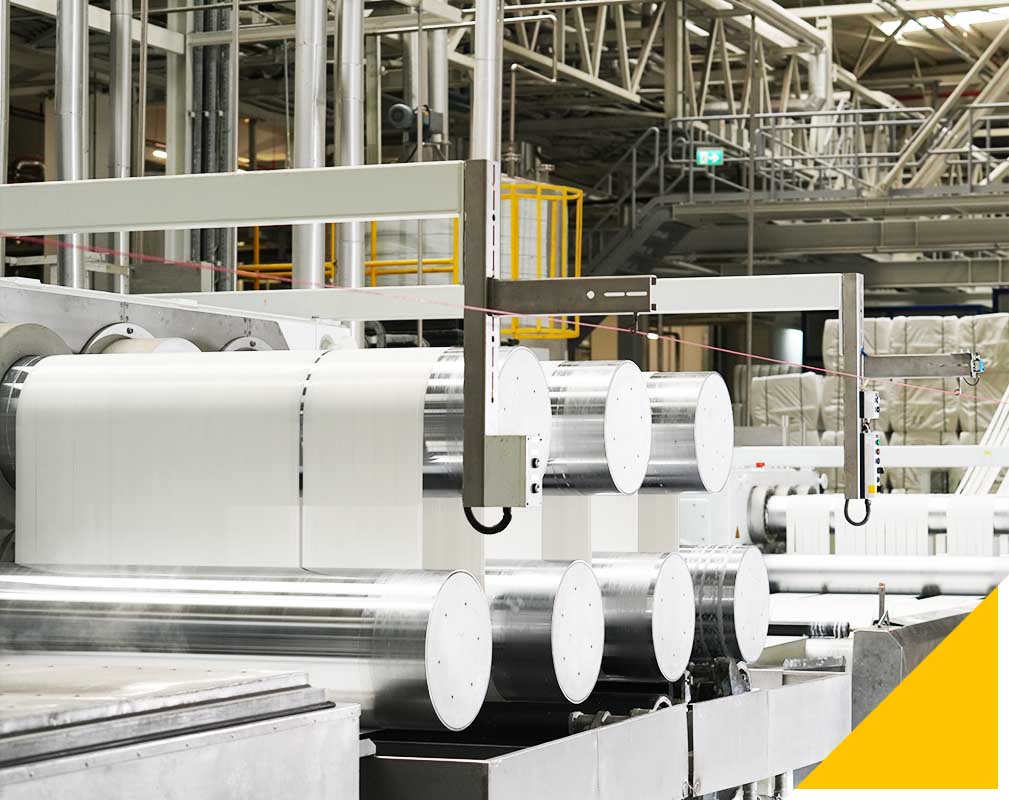
CP8 – New Staple Fiber Plant Investment
As part of its vision to position Türkiye among the world's top three polyester producers, SASA completed its first major expansion investment in the second quarter of 2019. The New Staple Fiber Plant, with a current investment value of approximately USD 550 million and an annual production capacity of 350,000 tons, was commissioned, increasing the Company's total polymerization capacity to 510,000 tons per year.
The facility was designed as a fully integrated production complex comprising five staple fiber production lines with a combined daily capacity of 1,000 tons, supported by an automated bale transfer system, automated warehousing, and advanced logistics infrastructure.
The highly energy-efficient polymerization system incorporates a range of sustainable production practices:
- Water generated as a by-product is recovered and reused for steam generation.
- The absorption chiller system is supplied with energy recovered from process-generated hot water.
- Organic compounds generated during production are converted into an energy source through energy recovery systems.
With this investment, SASA not only significantly expanded its production capacity but also reinforced its commitment to sustainable manufacturing, operational efficiency, and energy optimization.
CP10 – POY & DTY Plant Investment
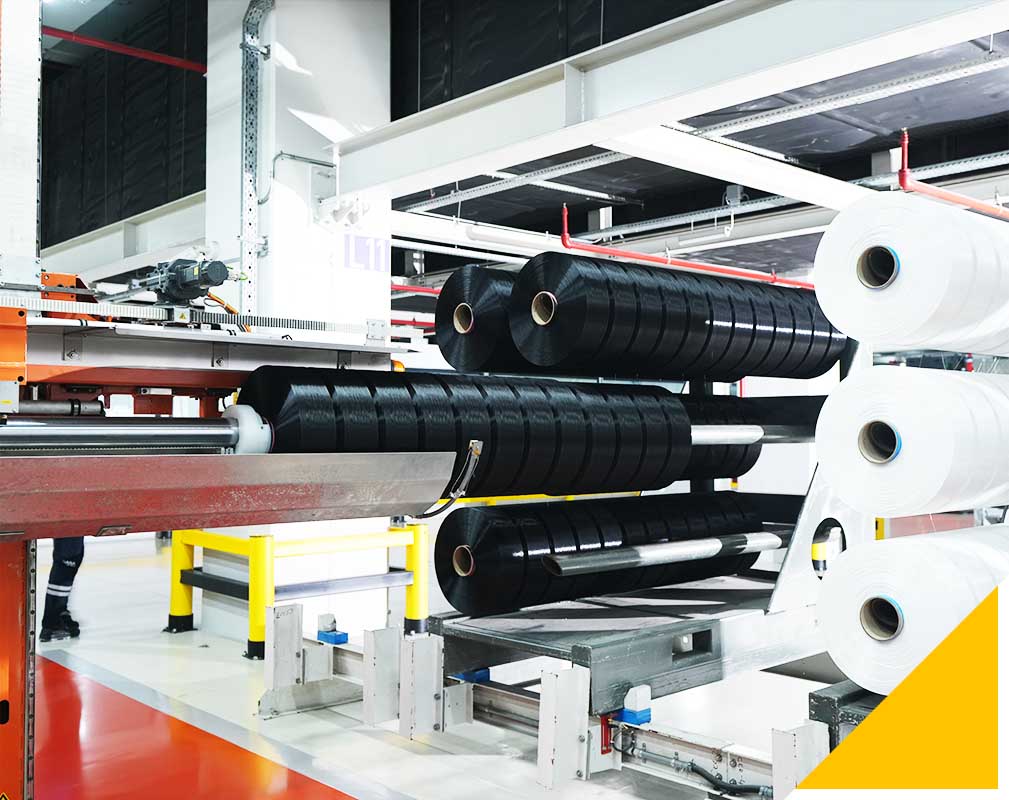
As part of its commitment to deploying state-of-the-art production technologies, SASA commissioned its New POY Plant, with an annual production capacity of 397,000 tons, together with its New DTY Plant, capable of producing 178,000 tons annually, in the second quarter of 2020. The combined investment has a current value of approximately USD 535 million.
Developed in collaboration with globally recognized technology providers including Uhde Inventa-Fischer (UIF), Oerlikon Barmag, and AC Automation, the facilities have been designed to operate within a fully integrated Industry 4.0 environment.
The entire production process—including manufacturing, process control, packaging, and logistics operations—is fully automated, ensuring maximum operational efficiency, consistent product quality, and advanced digital manufacturing capabilities.
Through this investment, SASA has further strengthened its production infrastructure by combining high efficiency, operational excellence, and digital transformation, reinforcing its position as one of the world's leading polyester manufacturers.
CP9 – MTR Plant Investment
Following the commissioning of its POY and DTY facilities, SASA continued its growth and vertical integration strategy by bringing its PET Resin Plant into operation in the third quarter of 2020.
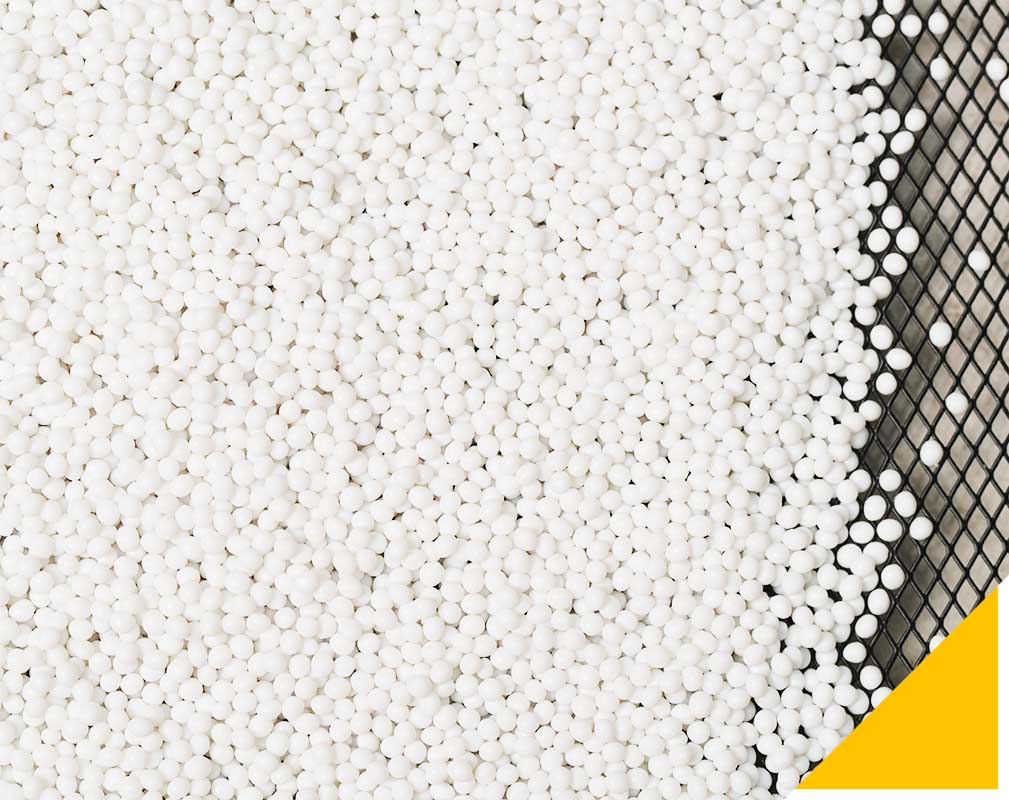
With a current investment value of approximately USD 250 million and an annual production capacity of 315,000 tons, the facility utilizes MTR® (Melt-to-Resin) technology, developed by Uhde Inventa-Fischer.
At the time of commissioning, the plant was recognized as the world's largest single-line PET resin facility utilizing MTR® technology, representing a significant technological milestone in the global polyester industry.
Compared with conventional Solid State Polymerization (SSP) technologies, MTR® offers significant operational advantages, including lower capital investment requirements, superior energy efficiency, and maximum raw material utilization.
The technology is capable of reducing total conversion costs by 20–30%, while delivering lower maintenance requirements, simplified equipment configuration, greater production flexibility, and enhanced operational reliability. These advantages contribute to a more sustainable, cost-efficient, and globally competitive production model.
PTA Plant Investment
Representing an investment of approximately USD 1.75 billion, SASA's Purified Terephthalic Acid (PTA) Plant was commissioned in the first quarter of 2025. With an annual production capacity of 1.75 million tons, it is the largest PTA production facility in Europe, the Middle East and Africa (EMEA). Equipped with advanced process technology, large-scale production capability, and world-class operational efficiency, the plant ranks among the world's most modern PTA facilities and marks one of the most significant milestones in SASA's vertical integration strategy.
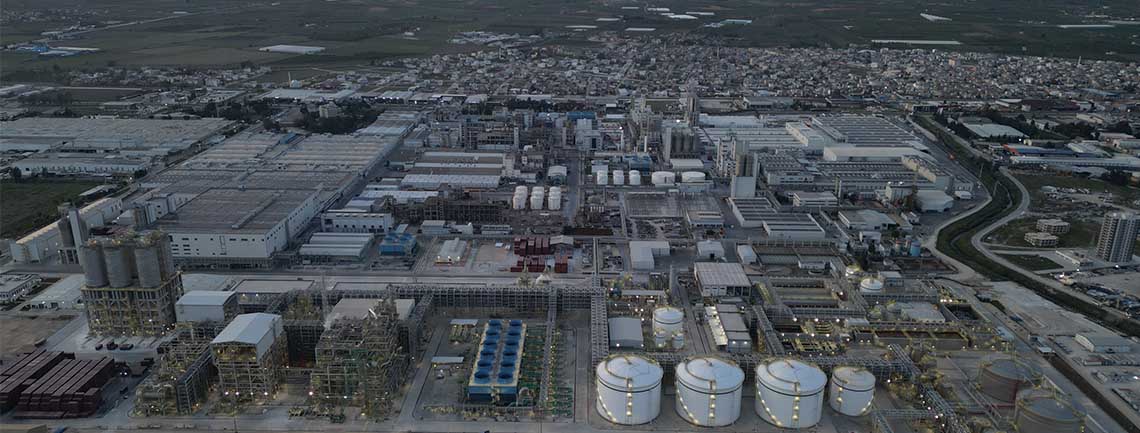
Representing an investment of approximately USD 1.75 billion, SASA's Purified Terephthalic Acid (PTA) Plant was commissioned in the first quarter of 2025. With an annual production capacity of 1.75 million tons, it is the largest PTA production facility in Europe, the Middle East and Africa (EMEA). Equipped with advanced process technology, large-scale production capability, and world-class operational efficiency, the plant ranks among the world's most modern PTA facilities and marks one of the most significant milestones in SASA's vertical integration strategy.
PTA is the principal raw material used in the production of polyester fiber, polyester resin, PET packaging, films, and a wide range of engineering plastics. By bringing PTA production in-house, SASA has strengthened supply security for its core operations, enhanced manufacturing efficiency, and improved resilience against global supply chain disruptions. The investment also contributes significantly to meeting Türkiye's domestic demand for strategic raw materials serving the textile, packaging, automotive, technical textiles, and petrochemical industries.
The PTA Plant plays a strategic role in supporting Türkiye's petrochemical industry by reducing dependence on imported raw materials. The project is expected to replace approximately USD 1 million of annual PTA imports, generating substantial foreign currency savings while strengthening the country's raw material supply security. As the facility reaches full operating capacity, domestic PTA production is expected to further reduce import dependency and enhance the competitiveness of Türkiye's manufacturing sector.
Beyond import substitution, the project delivers significant economic value. During the construction phase, it created employment for approximately 5,000 people, while the operational phase provides direct employment for around 900 highly qualified professionals. As one of the largest industrial investments in Türkiye's petrochemical sector, the facility also contributes to the country's long-term industrial competitiveness through high-value-added production.
The plant incorporates highly automated process control systems and advanced engineering solutions designed to maximize operational safety, energy efficiency, product quality, and production reliability. It is also the only PTA facility in Europe utilizing Invista P8+ technology, further reinforcing SASA's technological leadership and global competitiveness.
The PTA Plant is equally important within SASA's sustainability strategy. Its advanced process technologies improve both energy and resource efficiency, while future integration with the Yumurtalık Integrated Refinery and Petrochemical Complex will enable paraxylene to be transported directly to the Adana PTA facility via pipeline. This integrated infrastructure is expected to reduce logistics-related emissions, strengthen raw material supply security, improve operational efficiency, and lower the overall carbon footprint of production.
In SASA's long-term vision, the PTA Plant represents far more than a raw material production facility. It serves as a cornerstone of Türkiye's petrochemical transformation. Upon completion of the Yumurtalık Integrated Refinery and Petrochemical Complex, a fully integrated value chain extending from crude oil to paraxylene, PTA, monoethylene glycol (MEG), and ultimately polyester products will be established. This integrated production model is expected to further reduce import dependency, improve cost competitiveness, secure uninterrupted access to strategic raw materials, and position Türkiye as a leading regional petrochemical manufacturing hub.
This landmark investment reflects SASA's commitment to advanced manufacturing technologies, sustainable growth, and industrial self-sufficiency. At the same time, it further strengthens the Company's position among the world's leading producers in the global polyester and petrochemical industries.
CP12 – Second MTR Plant Investment
As part of its continued growth strategy in polyester production, SASA commissioned its Second MTR (Melt-to-Resin) Plant, further expanding its PET resin production capacity.
With a current investment value of approximately USD 250 million and an annual bottle-grade PET resin production capacity of 315,000 tons, the facility commenced commercial operations in the second quarter of 2025.
Utilizing MTR® technology, the plant offers significant advantages, including consistent product quality, low dust generation, high operational reliability, and superior energy efficiency. Its low-crystallinity resin structure enables energy savings of up to 10% during preform drying and extrusion processes, while reduced acetaldehyde formation helps manufacturers consistently meet the highest product quality standards.
This investment further strengthens SASA's leadership in advanced PET resin production by combining cutting-edge technology with sustainable and energy-efficient manufacturing practices.
CP11 & CP13 – Second Staple Fiber Plant Investment
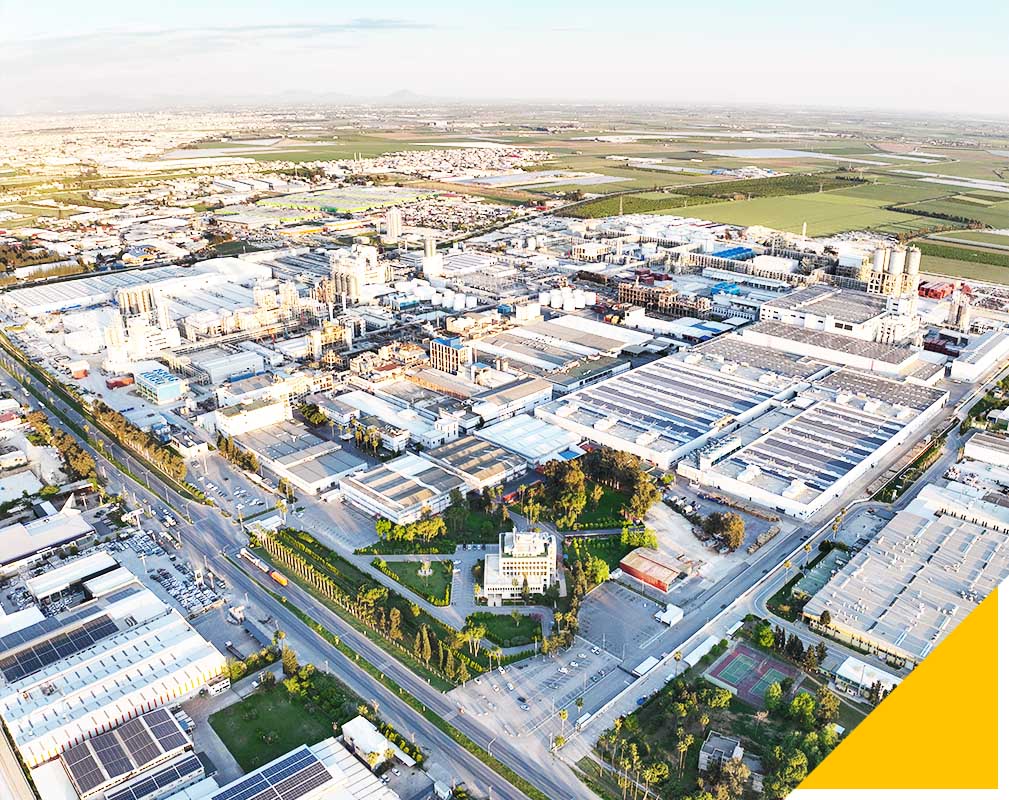
As part of the Second Staple Fiber Plant Investment at its Adana production campus, SASA has implemented one of the largest fiber expansion projects in its history. With a current investment value of approximately USD 650 million and a total annual production capacity of 402,500 tons, the project represents another major milestone in the Company's long-term growth strategy.
The first phase of the investment, comprising a 350,000-ton-per-year Staple Fiber Production Plant, was commissioned and entered commercial operation in the fourth quarter of 2025.
The second phase, consisting of a 52,500-ton-per-year Low-Melt Polyester Staple Fiber Plant, was completed and commenced commercial production on 16 January 2026.
The facility is distinguished as the first producer of Low-Melt Polyester Staple Fiber in Europe and the Middle East. It also features the world's highest-capacity single-line Low-Melt Polyester Staple Fiber production facility, underscoring SASA's technological leadership and large-scale manufacturing capabilities.
Upon completion of these investments, SASA's total polyester production capacity reached 2 million tons per year, significantly enhancing the Company's global production strength, operational capabilities, and competitive position in international polyester markets.
Yumurtalık Integrated Refinery And Petrochemical Complex Investment
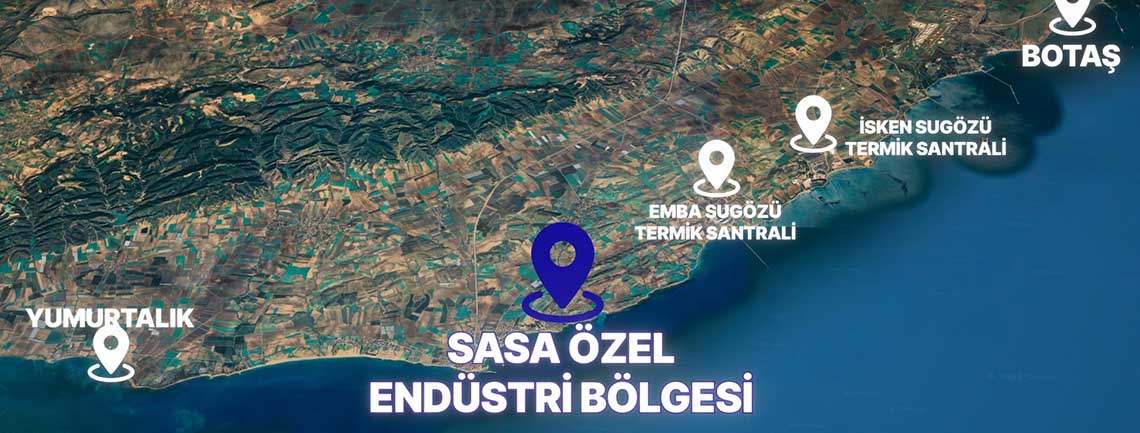
In line with its vision to reduce Turkiye's import dependency in petrochemicals and strengthen the country's position as a regional production hub, SASA plans to develop an integrated refinery and petrochemical investment in the Yumurtalik district of Adana.
Planned to be implemented on a project site of approximately 11 million square meters, the investment is designed as a strategic industrial complex comprising a refinery, aromatics units, petrochemical production facilities, logistics infrastructure and port integration.
Integrated Production and a Robust Value Chain
Through the Yumurtalik Refinery and Petrochemical Project, SASA aims to establish an integrated value chain extending from crude oil to refinery products, naphtha, paraxylene, monoethylene glycol and other key petrochemical feedstocks.
Upon completion, the project is expected to further support SASA's existing PTA and polyester production capabilities through a more advanced vertical integration structure. In this way, it is envisaged to contribute to safer, uninterrupted and more competitive access to raw materials for industrial companies operating in Turkiye.
Production Structure Reducing Import Dependency
Within the scope of the project, SASA plans to contribute to the domestic production of fuel products as well as petrochemicals currently imported by Turkiye, such as paraxylene, toluene and pentane.
Following the completion of all phases, the total investment amount is targeted to reach approximately USD 20-25 billion, contribute to reducing Turkiye's current account deficit by USD 10-12 billion annually, and create approximately 20,000 jobs in the region.
In addition, the project aims to strengthen Turkiye's industrial infrastructure through the domestic production of critical chemicals required by strategic sectors, particularly the defense industry.
Comprehensive Investment to Be Developed in Phases
In the first phase of the investment, the refinery and aromatics units together with core infrastructure systems are planned to be commissioned.
In subsequent phases, the following products are targeted to be included in the production portfolio:
- Polypropylene
- Polyethylene
- PTA
- MEG
- PVC
- ACN
- Styrene
- SAP
- Sustainable aviation fuel
This comprehensive production structure is considered to have the potential to reduce Turkiye's import dependency in chemical and petrochemical products while establishing a strong supply hub for the Mediterranean basin and European markets.
Logistics and Port Integration
As part of the logistics dimension of the project, an international container and liquid cargo terminal is planned to support the needs of the refinery and petrochemical facilities.
The port infrastructure is expected to make a significant contribution to the logistical efficiency of the investment through liquid loading berths for the transportation of crude oil and petrochemicals, high-capacity container handling capabilities and a chemical tank farm.
Regional Production, Logistics and Technology Hub
The Yumurtalik Refinery and Petrochemical Project is positioned not only as a key component of SASA's growth strategy, but also as an important part of Turkiye's objectives in production, exports, energy security and industrial independence.
Upon completion of the project, it is aimed to contribute to the transformation of Yumurtalik and the Iskenderun Gulf into an integrated production, logistics and technology hub serving Turkiye, the Mediterranean basin, Europe, the Middle East and North Africa.