


-
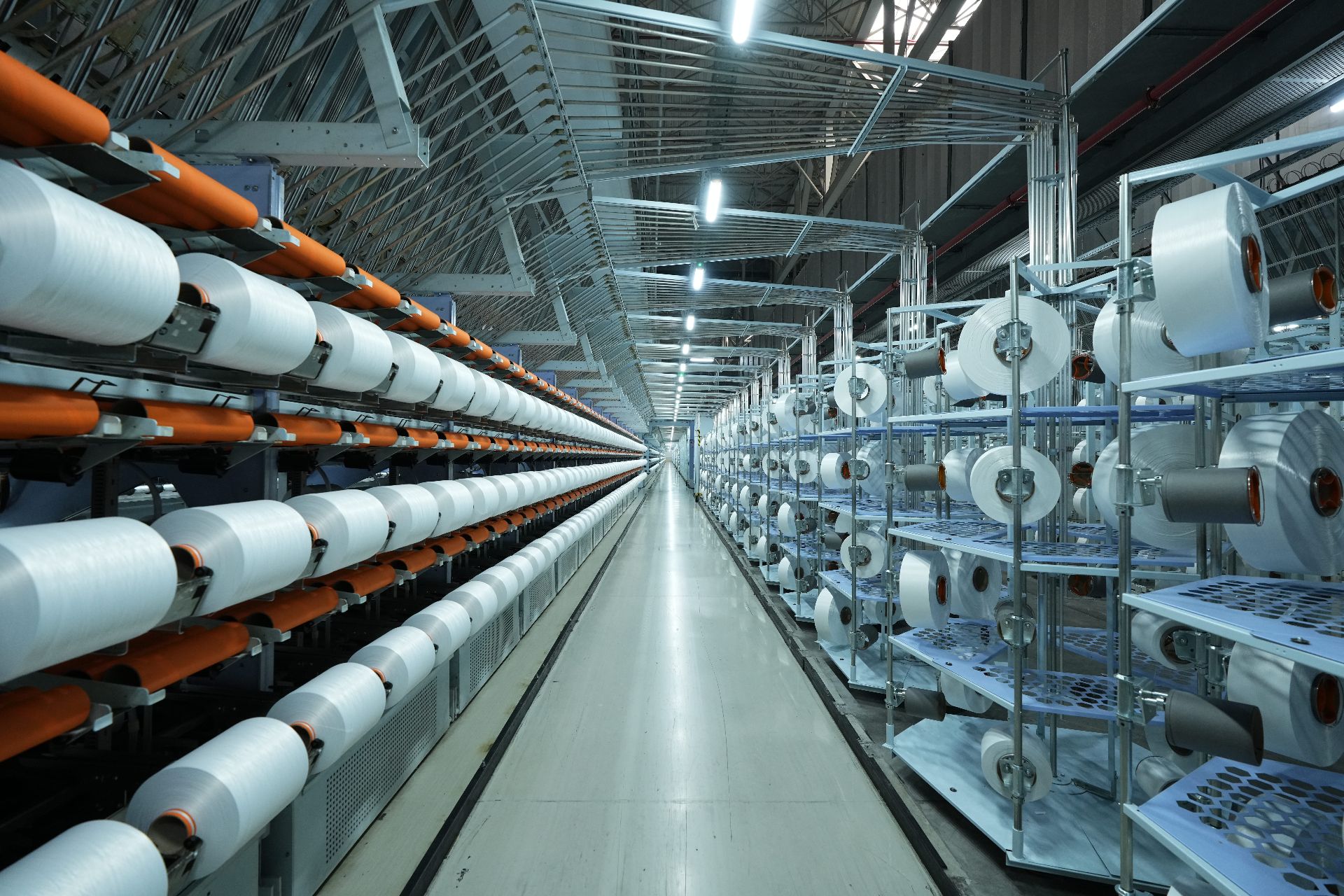
Erdemoğlu Holding Yönetim Kurulu Başkanı İbrahim Erdemoğlu, SASA’nın Yumurtalık’ta planladığı 25 milyar dolarlık petrokimya ve rafineri yatırımıyla Türkiye’yi Çin’e alternatif bölgesal bir üretim ve tedarik üssü haline getirmeyi hedeflediklerini açıkladı.
Erdemoğlu Holding Yönetim Kurulu Başkanı İbrahim Erdemoğlu, düzenlediği basın toplantısında Erdemoğlu Holding ve SASA’nın gelecek hedefleri ve Yumurtalık'ta planlanan petrokimya ile rafineri yatırımlarına dair önemli açıklamalarda bulundu.
SASA’nın borçluluk durumuna ilişkin değerlendirmelerle konuşmasına başlayan İbrahim Erdemoğlu, "SASA’nın borçluluğuna bakıldığında bizim hesabımız, kaldıraç oranını 2026 sonu itibarıyla yaklaşık 4 seviyesine ulaştırmak. Şirketi Yumurtalık’ta rafineri yatırımına hazırlamamız gerekiyor. Dolayısıyla 2027’de kaldıraç oranının çok daha aşağıya inmiş olması lazım" dedi.
"Çin’e alternatif üretim üssü şart: Geriye Türkiye kalıyor"
Türkiye’nin geçtiğimiz yılın rakamlarıyla yaklaşık 23 milyar dolarlık petrokimya ürünü ithal ettiğini hatırlatan Erdemoğlu, küresel stratejiler ve dünya konjonktürü üzerinden şu analizde bulundu:
"Amerika’nın uzun vadeli stratejisini nasıl tanımlarsanız tanımlayın; eğer orta ve uzun vadede Çin’i daha fazla Asya bölgesine sıkıştırmak gibi bir strateji varsa bunun uygulanabilmesi için bizim bulunduğumuz coğrafyada alternatif bir üretim üssüne ihtiyaç var. Bu üretim üssü kim olabilir? Dünya konjonktürüne bakıldığında Rusya olamaz. Avrupa’nın mevcut yapısı buna uygun değil. Balkanlar yeterli ölçeğe sahip değil.
Bu bölgede kabaca üç ülke öne çıkıyor: Birincisi Türkiye, ikincisi İran, üçüncüsü daha sınırlı olmak üzere Mısır. Çin’in bugün ürettiği mamullerin bir bölümünü bu coğrafyada başka ülkelere ürettiremezseniz Çin’in üretim gücüne alternatif yaratamazsınız. Mısır’a çok sayıda koruma sağlanmasına, Amerika tarafından gümrük vergileri konusunda avantajlar verilmesine rağmen istenen sanayi dönüşümünü henüz gerçekleştiremiyor. İran’ın mevcut ve gelecekteki problemleri ortada. Dolayısıyla bizim öngörümüze göre geriye Türkiye kalıyor. Yanılabiliriz, bu bizim tahminimiz; ama bizim gördüğümüz tabloda Türkiye’den başka güçlü bir alternatif bulunmuyor."
"Türkiye bölgenin üretim merkezi ve ‘ağabeyi’ olacak"
Bölgedeki geleceğin üretim dengelerine de değinen Erdemoğlu, Türkiye’nin üstleneceği role ilişkin, "Peki yalnızca Türkiye mi üretim yapacak? Hayır. Bizim öngörümüze göre Türkiye bölgede bir tür öncü, merkez veya 'abi' rolü üstlenecek. Çevresinde Suriye, Irak, Ürdün ve Mısır olacak. Bu coğrafyanın üretim ve tedarik sisteminde merkez ülke Türkiye olacak. Yaklaşık sekiz yıl önce oluşturduğumuz ana planın temelinde ve Yumurtalık’taki yaklaşık 25 milyar dolarlık yatırım fikrinde de bu düşünce yatıyor" ifadelerini kullandı.
Lojistik Maliyetleri ve Ceyhan’ın Stratejik Konumu
Gelecek 5 ila 10 yıl içerisinde küresel rekabette en kritik konunun lojistik maliyetleri ve ölçek ekonomisi olacağını vurgulayan Erdemoğlu, Yumurtalık tercihinin nedenlerini şöyle sıraladı:
"Yumurtalık’tan Ankara’ya göndereceğiniz bir mamule kıyasla Suriye çok daha yakın. İstanbul’a göndereceğiniz bir ürüne kıyasla Irak ve Mısır gibi pazarlar lojistik açıdan çok yakın hale gelebiliyor. Yumurtalık bu coğrafyanın adeta merkezinde bulunuyor.
Bunu güçlendiren ikinci bir faktör daha var: Doğu Akdeniz’de petrol ve doğal gaz kaynakları bulunuyor. Bunlar nereye gidecek? Önemli bir bölümünün Türkiye üzerinden taşınması gündeme gelecek. Ceyhan burada çok önemli. Bölgedeki petrolün, Azerbaycan petrolünün ve farklı kaynaklardan gelecek hidrokarbonların birleştiği bir enerji merkezi olarak Türkiye’nin, özellikle de Ceyhan-Yumurtalık bölgesinin önemi artabilir. Buradaki beklentimiz kısa vadeli değil, orta ve uzun vadeli bir perspektiftir."
33 milyon metrekarelik Kimya İhtisas Bölgesi
Devletin Yumurtalık’ta önemli bir hamle yaptığını kaydeden Erdemoğlu, arazilerinin arkasında Sanayi ve Teknoloji Bakanlığı tarafından yaklaşık beş yıldır yürütülen çalışmalarla 33 milyon metrekarelik özel ihtisas kimya endüstri bölgesinin ayrıldığını söyledi.
Bölgeye bugüne kadar yatırımcı çekilemediğini ancak SASA ile durumun değişeceğini ifade eden Erdemoğlu, şunları aktardı:
"Organize sanayi yapısı kurulsun, yatırımcılar gelsin, Marmara’daki bazı sanayiler buraya taşınsın gibi düşünceler vardı. Ama bölgede üreticiyi çekecek yeterli temel avantaj oluşmadığı için yatırımcı gelmedi. Şimdi SASA burada petrokimya yatırımını ve rafineriyi kurduktan sonra durum değişecek. Çünkü kimya şirketlerinin ihtiyaç duyduğu ham madde hemen yanlarında üretilecek. Zaman içinde kimya şirketlerinin de bu bölgeye geleceğini düşünüyoruz.
Yumurtalık konusunda talebimizi de net olarak yaptık; 33 milyon metrekarelik alanın 10 milyon metrekarelik bölümünü SASA olarak ikinci aşamada istiyoruz. Bölgenin üçte birine talibiz. Bugün Türkiye’nin 23 milyar dolarlık petrokimya ithalatı varsa ve bu bölge gerçekten bir üretim üssü haline gelirse, ihtiyaç duyulan üretim hacminin gelecekte 70-80 milyar dolar seviyelerine kadar çıkabileceğini tahmin ediyoruz. Dolayısıyla burada yalnızca SASA’nın yatırımı da yeterli olmayacak, daha büyük bir sanayi ekosistemine ihtiyaç var."
"Çin mantığını kurmak gerekiyor"
Avrupalı üreticilerle rekabet edebilmek için entegre üretim modelinin şart olduğunu vurgulayan Erdemoğlu, "Almanya’da kimya devleri var ancak bizim açımızdan esas mesele Çin’in kurduğu mantığa benzer bir yapı oluşturmak. Petrol Ceyhan’a geliyor mu? Geliyor. Rafineriyi oraya kurduğunuzda taşıma maliyetini ve navlun problemini ortadan kaldırıyorsunuz. Ham maddeyi orada üretiyorsunuz, kimya ürünlerini de aynı bölgede üretiyorsunuz. Limanı da yanına koyup ürünü doğrudan ihraç ediyorsunuz. Bu kadar entegre bir yapının karşısında Avrupa’daki şirketlerin maliyet açısından rekabet etmesi kolay değil" dedi.
Ölçek ekonomisinin önemine de değinen Erdemoğlu, Amerika’ya istenen düzeyde ihracat yapılamamasının nedenini şu sözlerle açıkladı: "Amerika’daki bir perakendeci ev tekstili almaya kalktığında Türkiye’de 20 ayrı firmayı dolaşmak istemiyor; tek bir üreticiden tüm ihtiyaçlarını karşılamak istiyor. Çin bunu ölçek ekonomisi ve tek tedarik zinciriyle başarabiliyor. Ölçeği yakalamadan kalıcı rekabet çok zor."
Yabancı Ortaklık Görüşmeleri
Projenin ticari bir yatırımdan öte milli bir hedef olduğunu söyleyen Erdemoğlu, "Bizim burada yapmak istediğimiz şey yalnızca bir şirketin kârlılığını artırmak değil. Sadece kendi şahsi çıkarımız açısından baktığımız bir yatırım değil. Bizim anlayışımızda ülke var, devlet var, millet var. Stratejinin asıl kaynağı bu" vurgusunu yaptı.
Yatırımın finansmanı ve ortaklık görüşmeleri hakkında ise şu ayrıntıları verdi:
"Geçen yıl Vitol ile bir anlaşma yaptık. Bunun dışında projeye girmek isteyen başka kuruluşlar da var. Daha önce Katar tarafının ilgisi vardı; bir dönem Suudiler ve Aramco da ilgileniyordu ancak Körfez’deki gelişmeler süreçleri etkiledi. Diğer ortakların katılımı halinde 10-15 yıllık takvimi daha erkene çekmemiz mümkün olabilir. Bizim 20-25 milyar dolarlık yatırımımızın master planı, teknolojisi, ne üreteceği ve arazisi yaklaşık dört yıldır hazır. Ancak bugünkü ekonomik koşullar nedeniyle projeyi ortaklıklar veya finansal çözümler tamamlandıktan sonra başlatacağız."
Siyasi altyapı ve bölgesel iş bölümü
Cumhurbaşkanı'nın bölgesel kardeşlik söylemlerine ve Türkiye'nin dış politikadaki konumuna da atıfta bulunan Erdemoğlu, sürecin siyasi boyutuna ilişkin değerlendirmelerini şöyle tamamladı:
"Sayın Cumhurbaşkanımız yaklaşık bir yıl önce Türkler, Kürtler ve Araplar arasındaki kardeşliğe vurgu yapan bir ifade kullandı. Biz bunu orta ve uzun vadede Türkiye’nin bölgede daha güçlü bir merkez rol üstlenmesinin siyasi altyapısı açısından önemli görüyoruz. Yani meselenin yalnızca ekonomik değil, siyasi ayağının da bu yönde geliştiğini düşünüyoruz. Türkiye’nin bugün Suriye ve Irak ile ilişkilerinde geçmişe göre çok daha merkezi ve yönlendirici bir rolü var.
Bu coğrafyada Suriye, Irak, Ürdün ve Mısır gibi ülkeler zamanla tekstil dâhil daha düşük ve orta gelir grubuna yönelik mamullerin üretiminde rol üstlenebilir. Türkiye ise zamanla bir kademe daha yüksek teknolojili ve katma değerli üretime geçebilir. Bütün bu coğrafyanın ihtiyaç duyacağı ham madde üretimini oluşturamazsanız bölgeyi gerçek anlamda bir üretim üssü haline getiremezsiniz ve Çin’e alternatif oluşturma hedefi gerçekleşmez. Son altı aydır gördüğümüz gelişmeler, işaretler ve yasal düzenlemeler bu düşünce tarzımızın uygulamaya geçebileceği yönündeki beklentimizi güçlendiriyor."
Haber Kaynağı: CNBC-e